Stopped at the Crossing
A tiny yellow bird landed on the hood of my car. I had no idea what kind of bird it was. I had no idea it was about to change everything.
I was driving home after a long and difficult week at work.
It was hot. Humid. Traffic was terrible. I was tired, frustrated, and eager to get home.
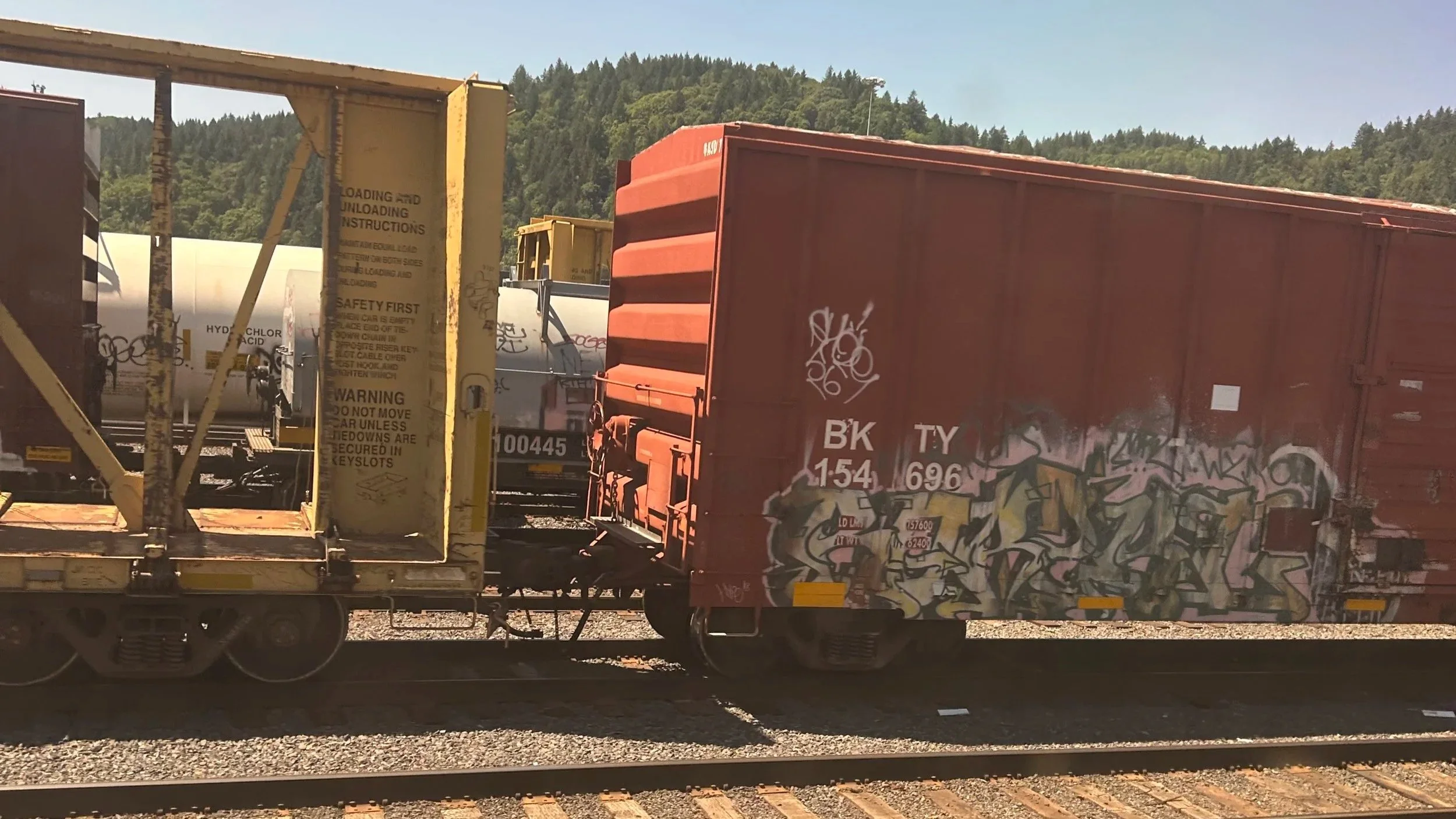
A few minutes from my house, I was stopped at a railway crossing. I remember sitting there feeling completely, and absolutely, miserable.
Then a tiny yellow bird landed on the hood of my car. A moment later it hopped down onto the gravel shoulder. Then another appeared. The two brilliant yellow birds fluttered back and forth across the road, completely unaware of my bad mood.
I was fascinated. A few moments earlier I had been impatiently waiting for the train to pass. Now I found myself hoping it would take a little longer.
When the crossing finally opened and traffic started moving again, I wanted to stay. I had no idea what kind of birds they were.
The next day I bought my first bird book. That purchase opened an entirely new world. I spent hours flipping through pages trying to identify my little yellow bird. At first I thought it would be easy. It wasn't. There are a surprising number of yellow birds.
I searched. Compared pictures. Eliminated possibilities. Looked again.
Eventually I found it. American Goldfinch. I still remember the thrill. It felt like a treasure hunt.
Decades later I still remember those birds. Not because they were rare. Not because they changed the world. Because they changed my attention.
Goldfinches weren't the only gold I found that day.
Grief, Horizon to Horizon
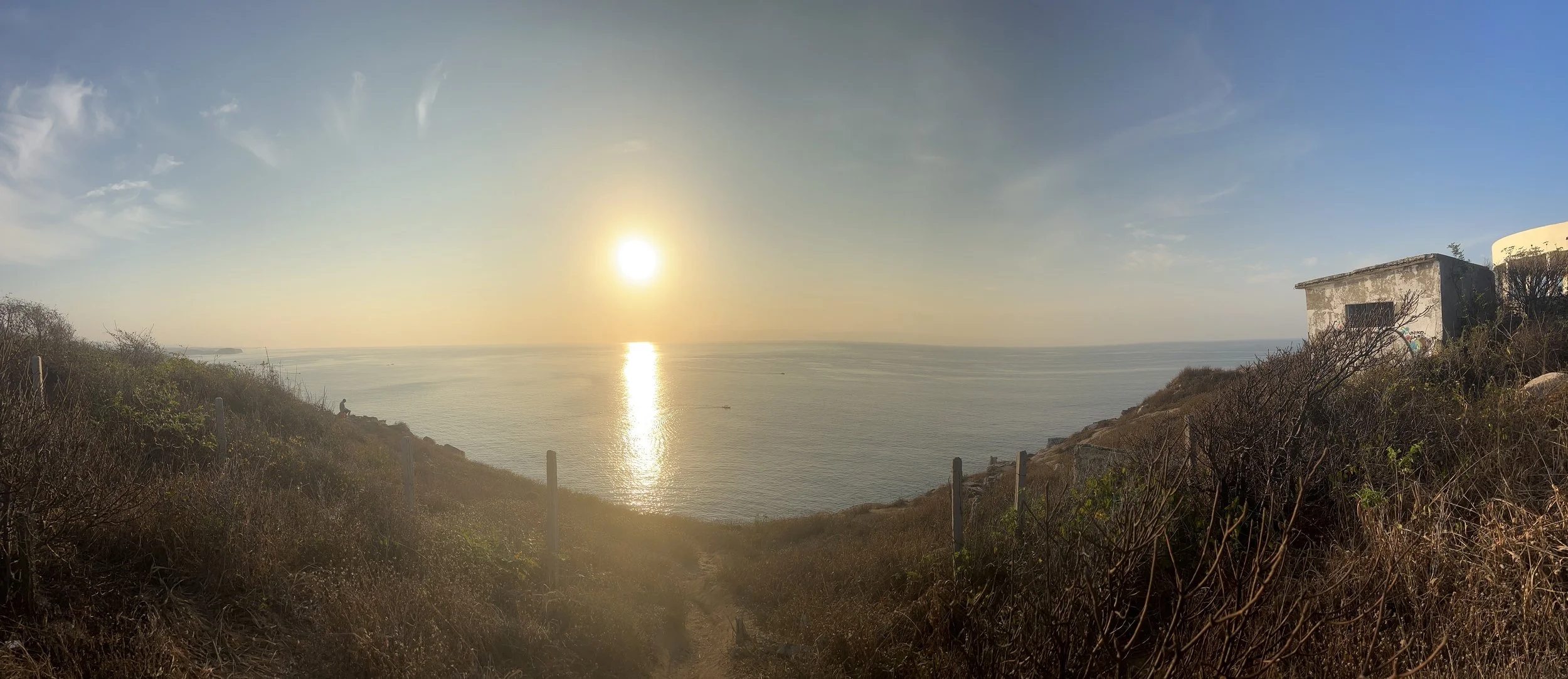
When my son died, grief stretched from horizon to horizon. There was no edge to it, no place where it ended and I began.
When my son died, grief stretched from horizon to horizon. There was no edge to it, no place where it ended and I began. It wasn't something I carried. It was the entire landscape. Everywhere I looked, there it was. Every thought led back to it. Every memory passed through it. Every future I could imagine had been altered by it.
People often talk about moving through grief, but in those early days there was nowhere to move. Grief wasn't something standing in front of me. It surrounded me completely. At the time, I would not have wanted it any other way.
That may sound strange to someone who has not experienced a great loss, but grief felt inseparable from love. To wish for less grief felt dangerously close to wishing for less love. If grief was the price of loving my son, then I would pay it. So I carried it. Or perhaps more accurately, I lived inside it.
One day, however, I noticed it no longer stretched from horizon to horizon. It still occupied a large part of my life, but it was no longer the entire landscape. Now grief appeared as a room, a room I could step in and out of. The room was still large. Some days I spent hours there. But it was no longer everywhere. I could step into my grief and writhe around for a while, have a good cry, and then step back out again, for as long as I could manage.
Grief is sneaky, though. Sometimes you don't choose to enter the room. You simply arrive there and realize you've been sitting in it for a while.
Eventually the room became smaller still. Later grief condensed and it was now about the size of a shower stall, yet I could still step in and out.
At first that image bothered me. Was my grief shrinking? Did that mean my love was shrinking too? The thought felt almost disloyal. But as I sat with the image, something else became clear. The size of the space was changing. The love was not.
The image wasn't telling me that grief mattered less. It was showing me that I had become larger.
Life had slowly grown around the grief. Not replacing it. Not fixing it. Just growing around it. I was getting used to carrying this huge hole in my heart. Now grief is more the size of a box. Not a burden dragging behind me. Not something I am trying to get rid of. Just a box I carry close.
The memories. The love. The loss.
The box never disappears. I don't want it to. But it became something I could carry rather than something I had to live inside.When my son died, grief stretched from horizon to horizon. There was no edge to it, no place where it ended and I began. It wasn't something I carried. It was the entire landscape. Everywhere I looked, there it was. Every thought led back to it. Every memory passed through it. Every future I could imagine had been altered by it.
People often talk about moving through grief, but in those early days there was nowhere to move. Grief wasn't something standing in front of me. It surrounded me completely. At the time, I would not have wanted it any other way.
That may sound strange to someone who has not experienced a great loss, but grief felt inseparable from love. To wish for less grief felt dangerously close to wishing for less love. If grief was the price of loving my son, then I would pay it. So I carried it. Or perhaps more accurately, I lived inside it.
One day, however, I noticed it no longer stretched from horizon to horizon. It still occupied a large part of my life, but it was no longer the entire landscape. Now grief appeared as a room, a room I could step in and out of. The room was still large. Some days I spent hours there. But it was no longer everywhere. I could step into my grief and writhe around for a while, have a good cry, and then step back out again, for as long as I could manage.
Grief is sneaky, though. Sometimes you don't choose to enter the room. You simply arrive there and realize you've been sitting in it for a while.
Eventually the room became smaller still. Later grief condensed and it was now about the size of a shower stall, yet I could still step in and out.
At first that image bothered me. Was my grief shrinking? Did that mean my love was shrinking too? The thought felt almost disloyal. But as I sat with the image, something else became clear. The size of the space was changing. The love was not.
The image wasn't telling me that grief mattered less. It was showing me that I had become larger.
Life had slowly grown around the grief. Not replacing it. Not fixing it. Just growing around it. I was getting used to carrying this huge hole in my heart. Now grief is more the size of a box. Not a burden dragging behind me. Not something I am trying to get rid of. Just a box I carry close.
The memories. The love. The loss.
The box never disappears. I don't want it to. But it became something I could carry rather than something I had to live inside.
Metro Meditation
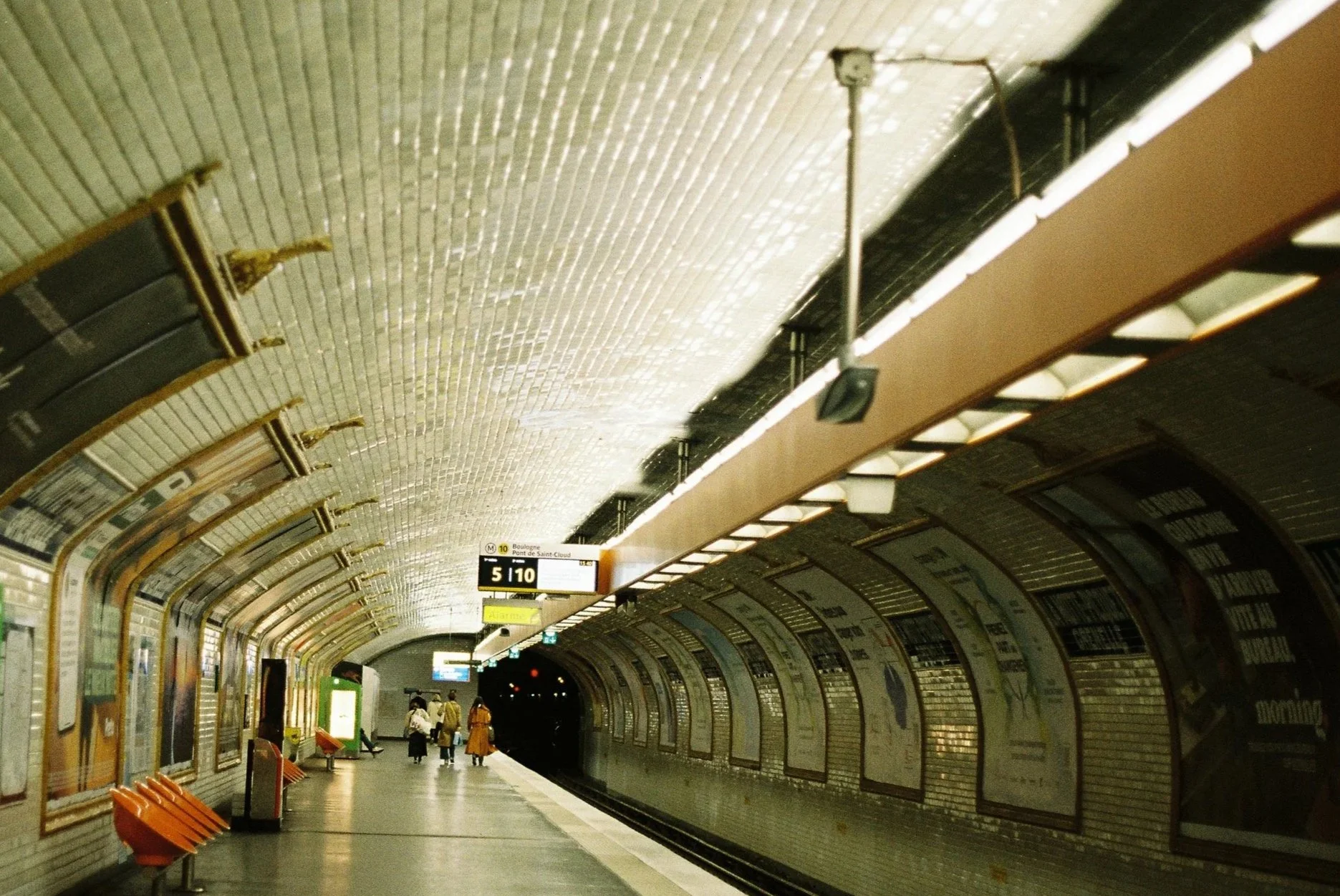
We picture meditation as silence. A quiet room, soft light, nobody asking anything of us. But real life looks a lot more like the Paris subway.
A train arrives with a deafening rush of air and steel. Conversations overlap. Announcements echo through tiled tunnels. People move with purpose in every direction at once. The Paris Metro is noise — not ordinary noise, but layer upon layer of it. You're trying to remember the name of your station, keep track of your travelling companion, watch your wallet and your passport, look like you know where you're going even though you absolutely do not. Your attention is pulled here, then there, then somewhere else entirely.
And somewhere in all that chaos, it occurred to me that this is the exact opposite of what we picture when we think about meditation. We picture silence. A quiet room, soft light, incense, a singing bowl. Nobody interrupting, nobody dragging a wheeled suitcase across a tile floor while speaking rapidly in a language we barely understand. But real life isn't the quiet room. Real life is the Metro — children crying, phones ringing, traffic backing up, someone getting sick, something breaking. The world rarely pauses until we feel ready.
And yet we sit quietly, learn to follow the breath, then step into a noisy day and wonder why the calm evaporates so fast. It made me curious rather than discouraged, because here's the question I couldn't put down: if calm only works in silence, is it any use when we need it most? What happens when the noise isn't a wheeled suitcase — when it's grief? A diagnosis? Fear?
Meditation has been one of the best investments I've ever made. I wouldn't trade it. But it gave me one gift I didn't expect: it taught me to sit still long enough to ask whether there might be something more.
Not better than meditation.
Not instead of it.
The step beyond it.